
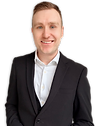
Redefining success and why I stepped back from the media industry
18 February 2026

Sometimes the strongest decision for your mental health is to step back and I have felt a lot better since pausing life in the media industry. Moving into the education sector and working in communications has been a breath of fresh air after years of gasping for mental oxygen.
Despite achieving my dream of reporting on air, being a neurodivergent freelancer ultimately took its toll and made the position of freelancing unsustainable.
For nearly a decade, I glided through the media sphere, from social media to TV entertainment, from reality to documentaries, and finally into journalism.
Like a butterfly, full of wild, whacky ADHD energy, I tried to find a branch to land on, but never did.
Rejection sensitivity, typical with ADHD, soaked my wings like rain, and freelancing only intensified it. Being an outsider and living as an outsider, combined with a lack of income, meant I eventually had to fly into another world.
My first on air report aired in November 2022, covering LGBTQ+ perspectives on the Qatar World Cup for Sky Sports. There’s a video of me excitedly telling my dog I was on the telly. It was a life defining moment.
Over the next few years, I reported 30 to 40 times across the BBC, ITV, Channel 5 and Sky. I covered sport, LGBTQ+ issues and neurodiversity, topics I cared deeply about. But by late 2025, I made the difficult decision to step back from journalism.
The truth is that budget cuts across the industry made freelancing increasingly unsustainable. Opportunities dried up, and without a manager or consistent support, it became harder to build momentum, confidence or make the work financially viable.
Seeing yourself on screen also has a strange effect on the brain, particularly when it comes to how you perceive your physique and body.
My ADHD diagnosis last year helped me understand why the freelance lifestyle was so draining, but understanding didn’t make it easier to survive.
Being diagnosed as autistic at 20 inspired me to push for better representation in the media. Working on Inside Our Autistic Minds with Chris Packham and reporting on neurodiversity were some of the most meaningful moments of my career.
Collecting a Broadcast Award in London on behalf of the team will always remain a lifetime memory.
My work was often praised for its human centred, non-medicalised approach, something I’m still incredibly proud of.
But advocacy and awards alone can’t fix structural issues. Accessibility, representation and opportunity matter deeply, yet I found myself burning out while fighting every month just to break even.
Freelancers, especially those who are neurodivergent, are often left behind in an industry that’s increasingly stretched thin.
Those pressures were compounded by personal trauma in 2024 and 2025. The media world, once a playground and a source of joy, began to feel increasingly unforgiving.
I remain open to returning to media in the future. Last year, I hit a point where stability and mental health became my priority, and moving into a full time role in PR and Communications became the best path forward.
I love my current job as a Communications Officer at First Steps Together. A provider of wraparound care to young people throughout their formative years, it's been a joy to work on promoting their specialist schools, transport services and care homes.
Young people who have so much potential, but so little neurological understanding and investment from business, government and the media, are the people worth fighting for.
Accurate, humanising and ethical portrayals of the 1 in 5 of us who are neurodivergent remain essential, and while I’ll always believe the media can get there, I know this new role still allows me to contribute to that mission.
My work in communications still relies on the inclusive storytelling, editorial thinking and audience insight I developed in broadcasting.
Together, we have already launched a podcast and a new website, and it is great to continue practising graphic design, writing, interviewing, social media and photography.
I continue to consult across all sectors on neurodiversity, delivering training and talks, and sharing my insights on inclusive storytelling and lived experience.
Since the start of the year, I have felt healthier, happier and more grounded, particularly now that I can explore a less complicated mortgage thanks to the permanence of my role.
Yet there is still a profound sadness in knowing that the industry I idolised for so long could not offer the space I needed at that time.
I was never happier than I was broadcasting and representing neurodivergent people. I'm hugely grateful to everybody that gave me the opportunity to do that.
But doing your dream job once or twice a month is like dating your childhood crush for only a couple of days at a time.
You worship the good days, but the scarcity cuts deep, because with ADHD, emotions are intensified and dopamine is everything.
Eventually, the imbalance leads to a breakup, not because the love is gone, but because the relationship cannot sustain you.
Choosing self-respect does not close the door, and the opportunity to return will always feel appealing, whether it is healthy or not.
Over the years, I gained broad experience across many areas of media, but my ADHD‑fuelled hyperactivity, passion and excitement sometimes came at the expense of focus, which made it difficult to secure a permanent role.
Still, I’d much rather step away from the industry than stay in it by becoming someone I’m not.
For now, I’m living in the present, continuing to learn and practise what I love most, with an open mind for the future.